Thinking About Removing a Tree? Here's the Deal.
So, you've got a tree in your Camarillo yard that's seen better days, or maybe it's just in the way of your grand landscaping plans. Whatever the reason, tree removal isn't something you just jump into. It's a big job, and there are a lot of things to consider before you even think about firing up a chainsaw. I've been doing this work around here for years, and I've seen it all – the good, the bad, and the downright dangerous.
Before You Cut: Planning and Permits
First off, let's talk permits. This is a big one, and it's where a lot of homeowners get tripped up. In Camarillo, especially if you live in one of the older neighborhoods with established trees, you might need a permit from the city to remove certain trees. This usually applies to 'protected' trees, which are often native species or just particularly large, mature specimens. Don't assume you can just take it down. Call the city's planning department or check their website first. Getting caught without a permit can lead to some hefty fines, and trust me, you don't want that headache.
Next, think about what's around the tree. Are there power lines? Your house? Your neighbor's house? A fence? A prized rose bush? You need to have a clear understanding of the potential fall zones and what's at risk. This isn't just about the tree falling straight down; branches can kick back, roll, or swing in unexpected directions. This is also where you need to be honest with yourself about your own skills and equipment. Do you have the right saw? The right safety gear? The experience to make precise cuts and manage the fall? For most homeowners, the answer to those last questions is probably 'no,' and that's okay. That's why folks like me are around.
DIY vs. Pro: When to Call Pacific Tree
Let's be blunt: most tree removals are not DIY projects. If it's a small, young tree – say, something you can easily wrap your arms around the trunk, no taller than your house, and far away from any structures or power lines – you *might* be able to tackle it yourself. Even then, you need proper safety gear: eye protection, hearing protection, gloves, sturdy footwear, and a hard hat. And you need to know how to use a chainsaw safely, including understanding kickback and proper felling techniques.
But if the tree is large, diseased, leaning, close to power lines, or near any structure, you absolutely need to call a professional. This isn't just about getting the tree down; it's about getting it down safely, without damaging property or, more importantly, injuring yourself or others. We've got the specialized equipment – cranes, lifts, rigging gear – and the training to handle these complex situations. We also carry insurance, which is a huge deal. If you're doing it yourself and something goes wrong, your homeowner's insurance might not cover it if you're deemed negligent. When Pacific Tree handles the job, that liability is on us.
Another factor here in Camarillo can be our soil. Depending on whether you're up in the hills or down in the flatlands, the soil can be anything from rocky and hard to soft and clay-like. This affects how a tree's root system develops and how stable it might be, which in turn impacts removal. A pro will assess these conditions as part of their plan.
During the Removal: What to Expect
If you hire a pro, here's a general idea of what to expect. First, we'll do a thorough assessment of the tree and its surroundings. We'll discuss the plan with you, including access for our equipment and any potential impacts on your yard. On the day of the removal, expect noise. Chainsaws are loud, and so are wood chippers. We'll set up safety zones, often using cones or tape, to keep everyone clear of the work area. We'll systematically take the tree down, often in sections, lowering branches and trunk pieces safely to the ground using ropes and rigging.
For larger trees, especially those near structures, we might use a crane to lift sections directly out of the canopy and place them in a clear area. This is a highly skilled operation that minimizes risk to your property. Once the tree is down, we'll process the wood. Smaller branches go into the chipper, and larger logs can either be cut into firewood lengths for you or hauled away. We'll also clean up the site, leaving it tidy. Our goal is to leave your property looking like we were never there, except for the missing tree, of course.
After the Tree is Gone: Stump and Cleanup
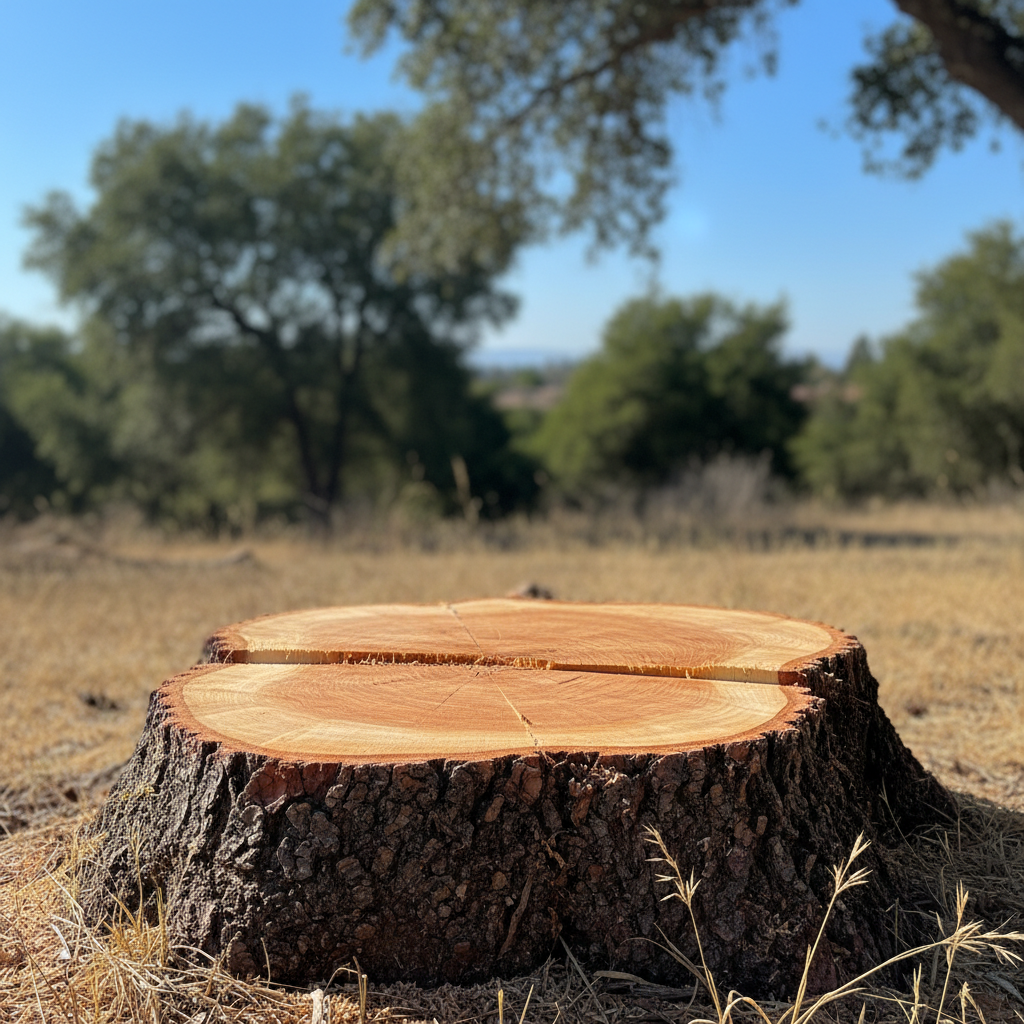
Once the tree is down, you're left with a stump. You have a few options here. You can leave it as is, which some people do if it's in an out-of-the-way spot and they don't mind the look. You can also have it ground down. Stump grinding involves a machine that grinds the stump into wood chips, usually a few inches below grade. This allows you to plant grass or even another small plant over the spot. We can do this for you, and it's usually part of a complete removal service.
Make sure you discuss cleanup with your contractor upfront. Will they haul away all the wood chips, logs, and debris, or will they leave some for you? Most reputable companies, like Pacific Tree, will include a thorough cleanup in their quote, leaving your yard neat and tidy. Don't be afraid to ask questions. A good contractor will be happy to explain every step of the process.
Removing a tree can be a big undertaking, but with the right planning and the right help, it doesn't have to be a headache. Stay safe, know your limits, and don't hesitate to call in the experts when you need them.