Thinking About Tree Removal? Read This First.
So, you've got a tree in your yard that needs to go. Maybe it's dead, diseased, or just too close to your house. Whatever the reason, tree removal isn't something you should jump into without a plan. As a local contractor, I've seen my share of DIY attempts go sideways, and trust me, it's not pretty. Let's break down what you need to know before, during, and after the job, and more importantly, when to call someone like us at Pacific Tree.
Before You Even Think About Cutting
First things first, is the tree actually yours? Sounds obvious, but I've seen folks cut down trees only to find out it was on their neighbor's property or even city land. Check your property lines. If it's a street tree, you'll definitely need to contact the City of Camarillo Public Works Department. They have rules about what you can and can't do.
Next, assess the tree. What kind of tree is it? How big is it? Is it leaning? Are there power lines nearby? These are huge factors. A small, young sapling that's less than 10 feet tall and far from any structures or wires might be a DIY job for someone comfortable with tools. Anything bigger, or with any of those risk factors, and you're already leaning towards professional help. For example, those mature Eucalyptus trees common in older Camarillo neighborhoods, especially after a dry spell, can be incredibly brittle and dangerous to remove without proper equipment and training.
Permits. You might need one. Again, check with the City of Camarillo. It usually depends on the size and type of tree, especially if it's considered a 'heritage' or 'protected' tree. Don't skip this step; fines are no fun.
DIY vs. Calling a Pro: Where's the Line?
Okay, let's be real. Most tree removals, especially in a residential setting, are best left to the pros. Here's my rule of thumb:
- If the tree is taller than you can comfortably reach with a pole saw from the ground, it's probably too big for DIY.
- If it's within 10 feet of your house, garage, fence, or any other structure, don't even think about it. One wrong cut and you're looking at thousands in damage.
- If there are power lines anywhere near the tree, stop immediately. Call the power company first, then a professional arborist. This isn't just about property damage; it's about your life.
- If the tree is diseased, rotted, or leaning significantly, it's unpredictable. These are the ones that snap unexpectedly.
- If you don't have the right safety gear – hard hat, eye protection, hearing protection, chainsaw chaps, sturdy boots – you're not ready.
What can you do yourself? Small, ornamental trees, maybe 10-15 feet tall, with a trunk diameter of less than 6-8 inches, that are out in the open with plenty of clear space around them. Even then, you need to know how to make proper felling cuts and have a clear escape path. If you're not confident with a chainsaw, don't start with a tree removal project.
During the Removal: Safety First, Always
If you've decided to tackle a small tree yourself, safety is paramount. Clear the area of people, pets, and anything valuable. Plan your escape route. Make sure your chainsaw is sharp and properly maintained. Understand felling notches and back cuts. Never cut above your head with a chainsaw. And for goodness sake, wear all your safety gear.
When we're on a job, whether it's a tricky removal in the Mission Oaks area or a simple trim in Old Town, we're using specialized equipment: cranes, lifts, rigging, ropes, and chippers. Our crews are trained in safe climbing techniques and directional felling. We're insured, which means if something goes wrong, you're not on the hook. That peace of mind alone is worth the cost.
After the Tree is Down
Alright, the tree's on the ground. Now what? You've got a pile of wood and branches. For DIY, you'll need to cut it up for firewood, haul it to a green waste facility, or rent a chipper. This can be a huge, time-consuming job. Many homeowners underestimate the sheer volume of debris a single tree generates.
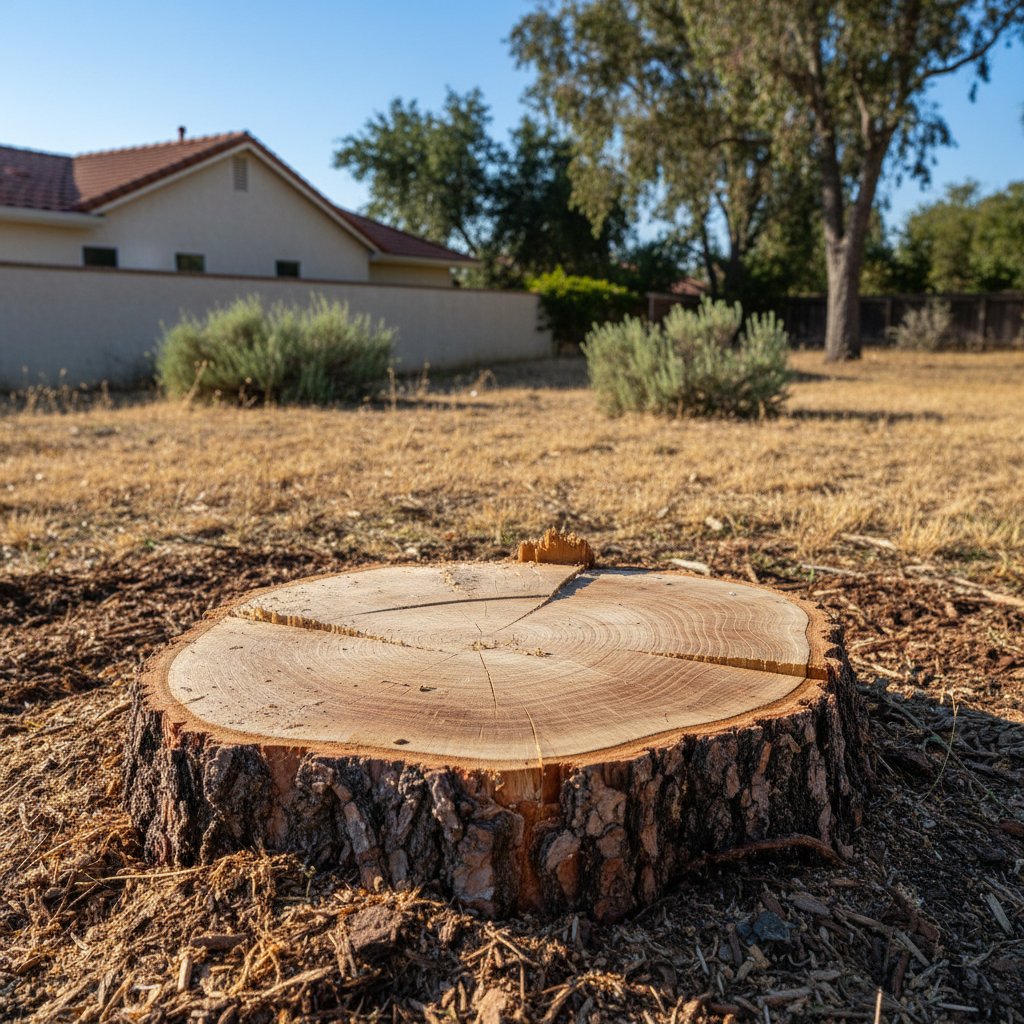
If you hired a professional, they'll typically handle all the cleanup, chipping the branches, and hauling away the larger wood. We usually offer stump grinding as an add-on service, which gets rid of that unsightly trip hazard and allows you to plant something new or lay sod over the spot. Don't forget, leaving a stump can attract pests like termites, which you definitely don't want near your Camarillo home.
So, before you grab that chainsaw, take a good, hard look at the situation. Your safety, your property, and your wallet will thank you for making the right call.