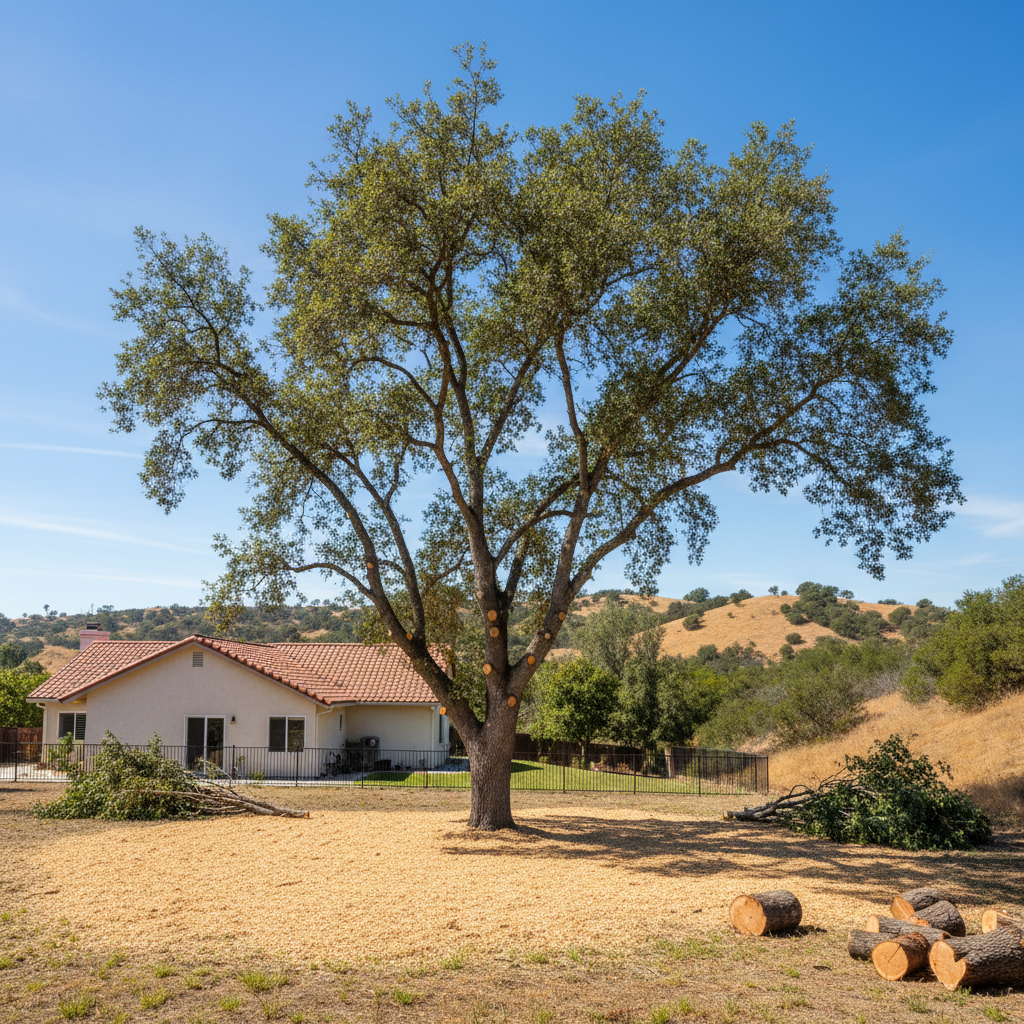
You just invested in getting your trees trimmed, maybe by us at Pacific Tree, or another local outfit. Good for you! Proper trimming isn't just about making things look neat; it's about tree health, safety, and longevity. But here's the thing: that trim isn't a 'set it and forget it' deal. To really get your money's worth and keep your trees thriving in our unique Camarillo climate, you've got to follow up with some good maintenance. I've seen too many folks think the job's done once the chipper leaves, and that's a mistake.
Extending the Life of Your Tree Trimming Investment
Think of it like getting a fresh haircut. You don't just let it grow wild for a year, do you? You wash it, style it, maybe get a touch-up. Trees are similar, though on a slower timeline. The goal of a good trim is to remove dead, diseased, or crossing branches, improve structure, and allow better air and light penetration. To keep those benefits going, you need to understand what happens next.
First, keep an eye on those cuts. A properly executed cut, made at the branch collar, should heal over time. You'll see a 'wound wood' or callus tissue start to form around the edge. This is the tree's natural defense mechanism, sealing off the cut to prevent pests and disease. If you see sap continuously oozing for weeks, or the cut area looks mushy or discolored, that's a red flag. It might mean the cut wasn't clean, or the tree is under stress.
Watering is crucial, especially after a significant trim. Trees use a lot of water to heal and push out new growth. In our dry Southern California summers, even mature trees can get stressed. Make sure they're getting deep, infrequent watering. For younger trees or those recently trimmed, a good deep soak once a week or every other week, depending on the heat, can make a huge difference. You're not just watering the surface; you want that water to get down to the root zone.
And don't forget about mulch. A good layer of organic mulch (like wood chips, not bark dust) around the base of the tree, keeping it a few inches away from the trunk, does wonders. It conserves soil moisture, regulates soil temperature, and slowly breaks down to add nutrients. It's like a protective blanket for the roots, especially important when we get those Santa Ana winds drying everything out.
What Regular Maintenance Looks Like for Your Trees
Regular maintenance between professional trims isn't about you getting up there with a chainsaw. It's more about observation and minor interventions. Here's what I tell my clients:
- Keep an eye out for suckers and watersprouts: These are those fast-growing, often vertical shoots that pop up from the base of the tree or along main branches. They're usually weak, don't contribute to the tree's structure, and just suck up energy. You can usually snap these off by hand when they're small, or snip them with hand pruners.
- Check for deadwood: After a big trim, sometimes smaller branches that were shaded or stressed might die back. You can often spot these because they won't have leaves, or the leaves will be brown and brittle. If they're small enough and within reach, you can carefully remove them with a pole pruner or loppers.
- Monitor for pests and diseases: Walk around your trees regularly. Look for unusual leaf discoloration, spots, holes, or sticky residue. Are there any strange growths on the bark? Early detection can save a tree. We've got a lot of different pests here in Ventura County, from aphids to borers, and catching them early is key.
- Assess clearance: Are branches growing too close to your house, power lines, or blocking pathways? If it's a small, manageable branch, you might be able to prune it yourself. If it's larger or near utilities, that's when you call us.
The frequency of professional trimming depends on the tree species, its age, and its location. Most mature trees in Camarillo benefit from a professional trim every 2-5 years. Younger trees might need more frequent structural pruning to guide their growth.
Warning Signs Your Tree Needs Attention
Sometimes, your tree will tell you it's got a problem. You just need to know how to listen. Don't ignore these signals:
- Sudden leaf drop or discoloration: If your tree is dropping leaves out of season, or they're turning yellow or brown when they shouldn't, something's up. Could be drought stress, disease, or a nutrient deficiency.
- Excessive deadwood: A few dead twigs are normal, but if you're seeing large dead branches, or a significant portion of the canopy is dying back, that's a serious issue.
- Cracks or splits in the trunk or major branches: These are structural weaknesses and can indicate a tree is at risk of failure, especially with our strong winds.
- Fungus or mushrooms growing on the trunk or at the base: This often means there's internal decay happening. By the time you see the fruiting body (the mushroom), the fungus has usually been at work for a while.
- Pest infestations: Look for holes in the bark, sawdust-like material, webs, or visible insects. Some pests, like the Goldspotted Oak Borer, can devastate trees quickly.
- Leaning: If a tree suddenly starts to lean, or if the soil around the base is heaving, that's a sign of root failure and a significant hazard.
When to Call a Professional (Like Pacific Tree)
Look, I'm all for homeowners being hands-on, but there are definitely times when you need to bring in the pros. Safety is number one. If the branch is too high, too large, or near power lines, don't even think about it. That's how accidents happen.
You should call us if:
- The branch requires a ladder or climbing: If your feet aren't firmly on the ground, it's a professional job.
- The branch is larger than 2-3 inches in diameter: Anything bigger than that requires proper tools and technique to avoid damaging the tree or yourself.
- The tree is near power lines: Seriously, don't mess with electricity. Call the utility company first, then us.
- You suspect disease or major pest infestation: We can diagnose the problem and recommend the best course of action, whether it's treatment or removal.
- The tree shows significant structural issues: Cracks, splits, or a sudden lean mean it's time for an expert assessment.
- You want to maintain the long-term health and aesthetics of your mature trees: Proper structural pruning requires knowledge of tree biology and growth habits. We know how to make the right cuts to promote a strong, healthy tree for years to come.
Taking care of your trees after a trim isn't rocket science, but it does require a little attention. A healthy tree adds value to your property, provides shade, and just makes your yard a nicer place to be. A little regular care goes a long way in keeping your Camarillo landscape looking its best.