A tree just came down on your property. Or maybe it's leaning precariously after a big windstorm, like those Santa Anas we get. What do you do? First off, don't freak out. It happens. The key is knowing what you can handle yourself and when you absolutely need to step back and call in the cavalry.
Before the Storm Hits (or the Tree Falls)
Preparation is huge here. You can't always predict a tree emergency, but you can definitely minimize the damage and make the cleanup easier. Think about your trees now, before they become a problem.
- Know Your Trees: Walk around your property. Are there any trees that look unhealthy? Dead branches, cracks in the trunk, or a significant lean are all red flags. If you've got an older oak in your backyard, especially if it's been through a few droughts, it might be more vulnerable.
- Clear Around Your House: Keep branches trimmed back from your roof, power lines, and any structures. This isn't just for emergencies; it's good practice. If a branch falls, you want it to land clear, not on your living room.
- Have a Plan & Contacts: You don't want to be scrambling for phone numbers when a tree's on your fence. Keep our number, Pacific Tree, handy. Also, know where your main utility shut-offs are – gas, water, electricity. You might need to turn them off if a tree hits a line.
- Check Your Insurance: Understand what your homeowner's policy covers when it comes to tree damage. Does it cover removal? What about damage to your neighbor's property? Better to know now than after.
When Disaster Strikes: What to Do (and Not Do)
Okay, the tree's down. Or it's leaning like it's about to go. This is where quick, smart action can prevent more damage or, more importantly, injury.
- Safety First, Always: This isn't a drill. If there are power lines involved, assume they're live. Stay at least 10 feet away. Don't touch the tree, don't touch anything it's touching. Call 911 immediately if there's a live wire or if someone's injured. For any other immediate danger, like gas leaks, call the appropriate utility company.
- Assess the Damage (from a safe distance): Is the tree on your house? Your car? Your neighbor's property? Take pictures from a safe spot. These will be crucial for insurance claims.
- Can You Handle It? Probably Not: Look, I know you're handy. But emergency tree removal is not a DIY job for most homeowners. We're talking about heavy, unpredictable objects, often under tension, sometimes tangled with power lines, and usually in awkward positions. Trying to cut a large fallen limb yourself can cause it to shift unexpectedly, leading to serious injury or further property damage. Even a small branch can be dangerous if it's under stress.
- When to Call a Pro (That's Us!): If the tree is large, if it's on a structure, if it's near power lines, if it's blocking a public road, or if you just feel unsafe, you call us. Period. We've got the equipment, the training, and the experience to handle these situations safely. We're talking specialized rigging, cranes, and chainsaws that most homeowners don't have or know how to use safely in an emergency. We're available 24/7 for these kinds of emergencies because we know they don't happen on a schedule.
After the Tree is Gone: The Cleanup and Next Steps
So, the immediate danger is clear, the tree is removed, and you're breathing a sigh of relief. But you're not quite done yet.
- Document Everything: Keep all your photos, notes, and receipts from the tree removal service. This is all for your insurance claim.
- File Your Claim: Contact your insurance company as soon as possible. Provide them with all the documentation you've gathered.
- Address Remaining Damage: Once the tree is gone, you can properly assess and repair any damage to your home, landscaping, or other property. This might mean calling a roofer, a fence company, or a general contractor.
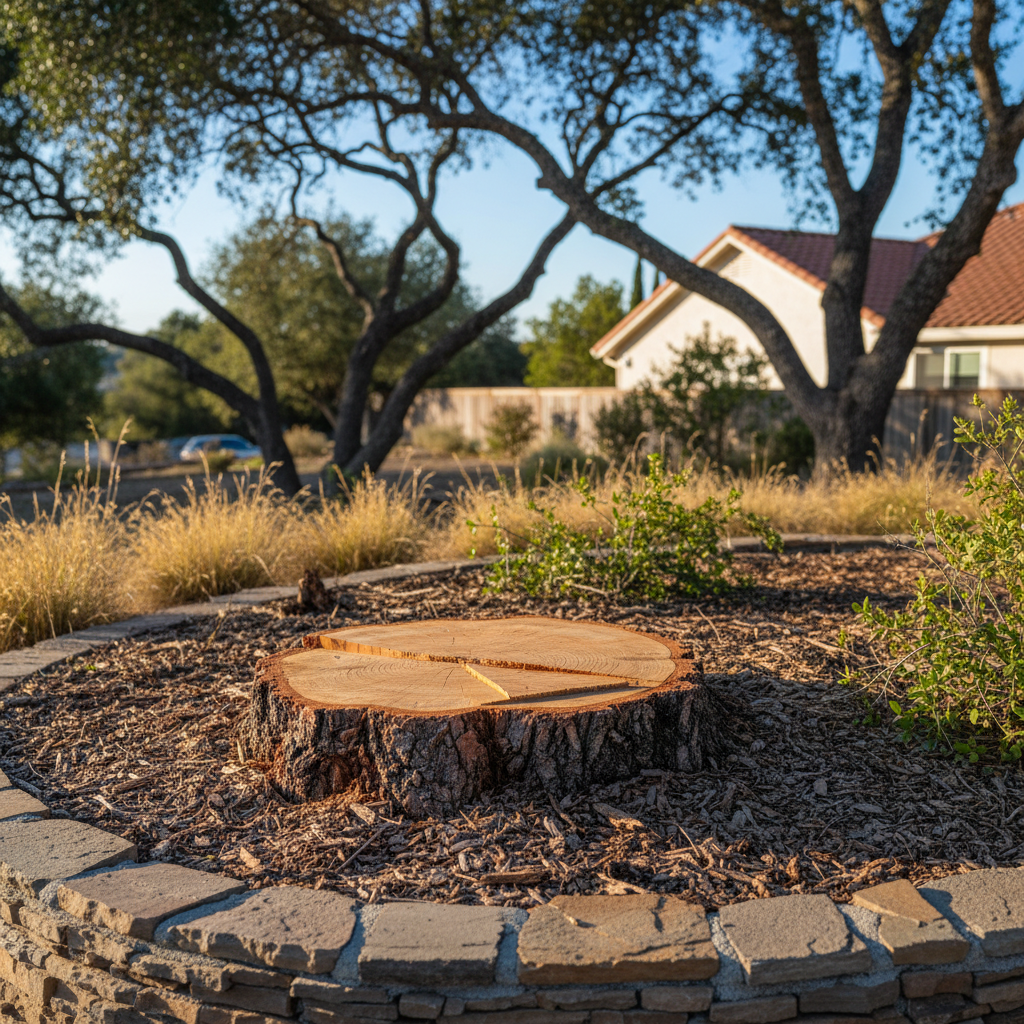
- Stump Removal: You'll likely have a stump left over. You can leave it, but it can attract pests or be a tripping hazard. Grinding it down is usually the best option. We can handle that for you too.
- Replanting (or Not): Think about whether you want to plant a new tree. If you do, choose a species appropriate for our Camarillo climate and soil, and make sure it's planted in a location where it won't cause future problems. Consider something drought-tolerant that won't grow too large for its space.
Dealing with a tree emergency is stressful. But knowing what to do, and more importantly, when to call in the experts like Pacific Tree, can make all the difference. Stay safe out there.