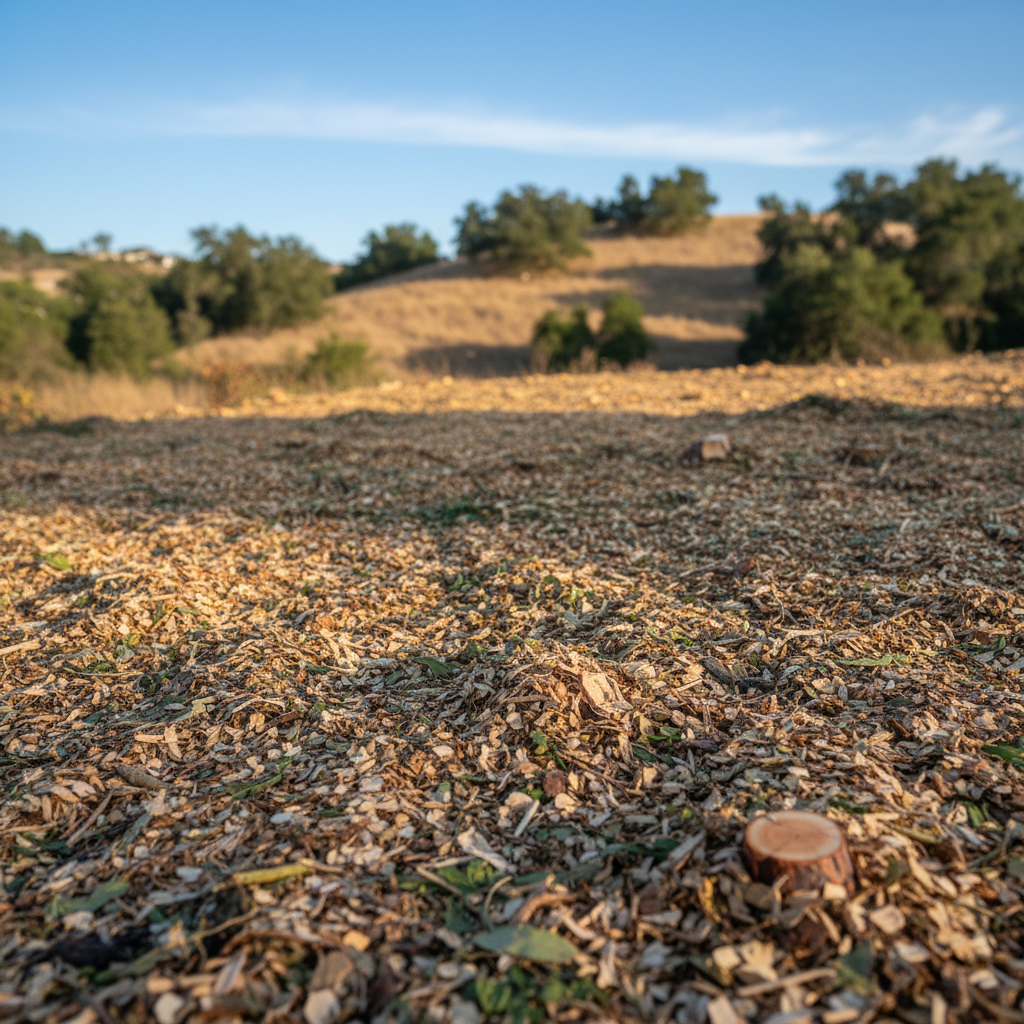
So, you've got a patch of overgrown land on your property, maybe some scrub oak, wild brush, or just a lot of old, dead stuff. You're thinking it's time to clear it out, make some space, or reduce fire risk. Good on you for thinking ahead. But before you go full Paul Bunyan, let's talk about what land clearing really involves, especially here in Camarillo.
Before You Even Start: Permits and Planning
This is probably the most important step, and the one most folks overlook. You can't just go clearing whatever you want, wherever you want. Especially if you're talking about more than just a small patch of weeds. Here in Ventura County, and specifically in Camarillo, there are rules. If you're clearing anything substantial, or if you're near a creek, a hillside, or an area designated as a high fire hazard zone (which, let's be honest, a lot of Camarillo is, especially up towards the hills), you're probably going to need a permit from the city or county planning department. They'll want to know what you're clearing, why, and how you plan to do it. Don't skip this. The fines for unpermitted work can be a real headache, and honestly, it's just not worth the risk.
You also need to identify what you're actually clearing. Are there protected trees? Are there utility lines running through the area? Call 811 before you dig or do any major work to mark underground utilities. You don't want to hit a gas line or an electrical conduit – that's a bad day for everyone.
What Can You DIY?
Alright, let's be realistic. For smaller jobs, you can absolutely do some of the work yourself. If it's just light brush, small saplings, or overgrown weeds, you can tackle that with hand tools: loppers, a good pair of pruning shears, a sturdy rake, and maybe a weed wacker. If you're dealing with a lot of dry brush, especially in the summer, be extra careful about sparks. Keep a fire extinguisher or a hose handy. We've seen too many small fires start from seemingly innocent yard work, especially when the Santa Anas are blowing.
For anything that requires a chainsaw, think long and hard. Chainsaws are dangerous tools. If you're not experienced, if you don't have the right safety gear (chaps, helmet, hearing protection, gloves), or if you're trying to cut anything larger than your leg, you're better off leaving it to someone who does this for a living. A trip to the ER is way more expensive than hiring a pro.
When to Call in the Pros (Like Pacific Tree)
Look, I'm a contractor, so of course I'm going to tell you to call a pro for bigger jobs. But it's not just about getting the work; it's about doing it right, safely, and legally. Here's when you absolutely should call us or another reputable land clearing company:
- Large areas: If you're clearing more than a small backyard patch, it's a huge undertaking. We have the heavy equipment – excavators, brush hogs, chippers – to get it done efficiently and safely.
- Large trees or dense brush: Anything that requires a chainsaw and isn't a simple cut is a job for someone with experience. We know how to fell trees safely, manage falling debris, and chip everything down.
- Steep slopes or difficult terrain: Camarillo has plenty of these, and working on them is tricky and dangerous.
- Permit requirements: If you need a permit, a professional company can often help navigate that process, ensuring all regulations are met.
- Fire abatement: If you're clearing for fire safety, especially in areas like Mission Oaks or Santa Rosa Valley, you need to meet specific defensible space requirements. We know those rules inside and out.
- Disposal: What are you going to do with all that material? We have the means to chip, haul away, and properly dispose of everything, often recycling it.
During the Project: Safety First
Whether you're doing it yourself or hiring us, safety has to be your number one priority. If you're DIYing, wear appropriate clothing, sturdy boots, gloves, eye protection, and hearing protection. Stay hydrated. Take breaks. Don't work alone if you're using power tools. If you hire Pacific Tree, you won't have to worry about any of that – we've got it covered.
After the Clearing: What's Next?
Once the land is cleared, what's your plan? Are you building something? Landscaping? Just trying to keep it clear? If you're leaving it bare, be aware of erosion, especially on slopes. You might need to consider some temporary ground cover or erosion control measures, particularly during our rainy season. If you're planning to replant, think about native, drought-tolerant plants that won't contribute to future fire risks. Regular maintenance will be key to keeping it clear and preventing it from becoming overgrown again.
Land clearing can transform your property, but it's a big job with a lot of moving parts. Do your homework, know your limits, and don't hesitate to bring in the pros when the job calls for it. It'll save you time, money, and a whole lot of headaches in the long run.