So, you’ve had a tree come down, maybe after one of those crazy Santa Ana wind events we get, or a surprise winter storm. We’ve all been there. Getting that immediate hazard cleared is a huge relief, but it’s not the end of the story. What you do next, and in the months that follow, makes a big difference in keeping your property safe and healthy. I see a lot of folks think once the big pieces are gone, the job’s done. Trust me, it’s not.
Extending the Life of the Work: What Happens Next?
When we talk about 'extending the life of the work' after an emergency removal, we're really talking about ensuring the area is stable, healthy, and won't cause future problems. Often, an emergency removal means a tree was already compromised – maybe it had a hidden disease, structural weakness, or root damage. We get it out of there, but the underlying issues might still be lurking, especially if it was a partial failure or if other trees nearby were affected.
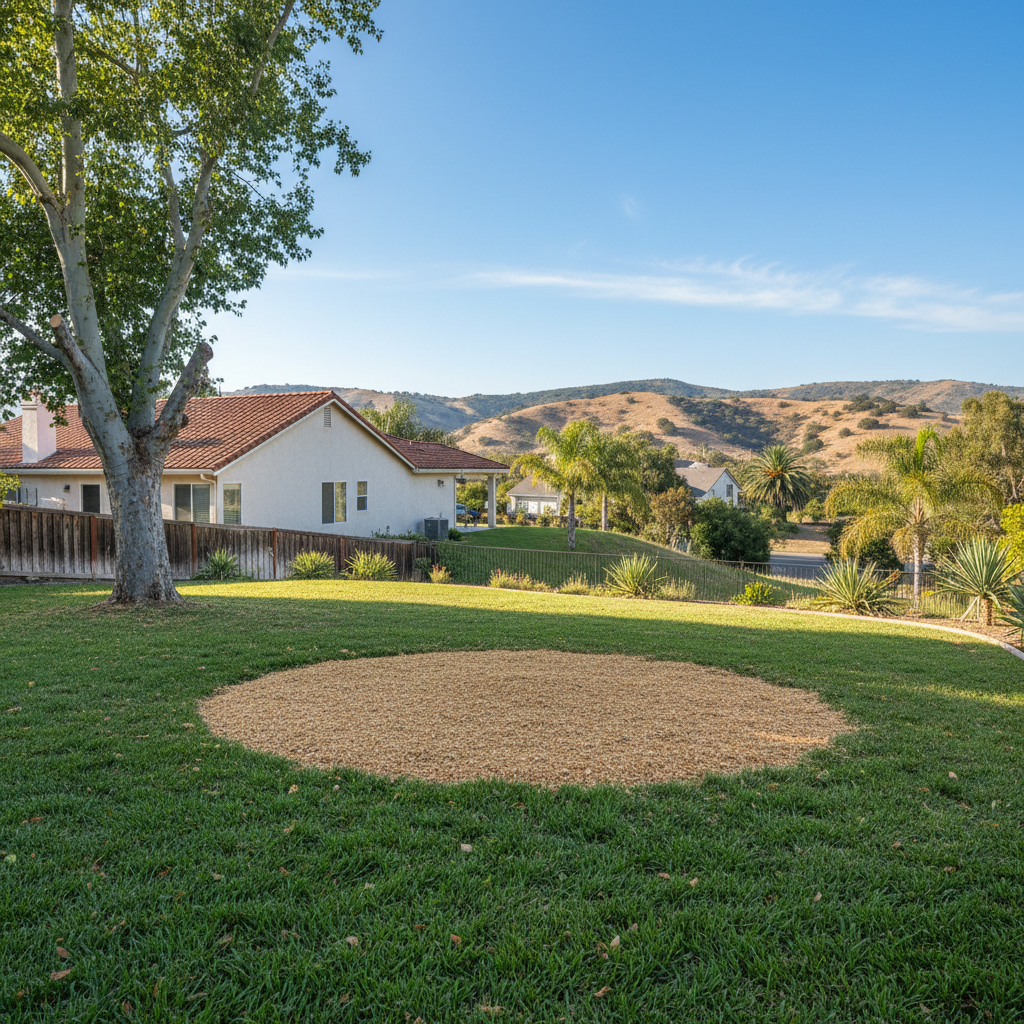
First, think about the stump. If it was a full removal, we'll usually grind the stump down. But that leaves a big hole filled with wood chips. You can just leave it, but it'll settle over time, creating a depression. That's a trip hazard, and it can collect water, which isn't great for drainage, especially in the clay soils we often see around Camarillo's older neighborhoods like Mission Oaks. I always recommend backfilling that area with good soil and maybe some fresh grass seed or a small plant. It stabilizes the ground and prevents future headaches. If you didn't get the stump ground, you've got a different issue – a decaying stump can attract pests like termites, which you absolutely don't want near your home.
Then there's the surrounding landscape. Did the falling tree damage other plants, irrigation lines, or even your hardscaping? Get those fixed. A broken irrigation line can lead to water waste and even foundation issues if it's left to leak for months. It's all about preventing a small problem from becoming a big, expensive one down the road.
Regular Maintenance: Your Post-Removal Checklist
Okay, so the immediate danger is gone, and you’ve cleaned up the site. What now? Regular maintenance is key, especially in our climate where trees can grow fast but also get stressed by drought or sudden heavy rains.
- Monitor the Stump Area: Even if it's ground down and backfilled, keep an eye on it. Look for any new growth (suckers) coming from leftover roots. These need to be cut back regularly, otherwise, you'll have a bushy mess.
- Check Nearby Trees: The tree that fell might have been part of a group, or its fall could have damaged neighboring trees. Look for cracks, broken branches, or leaning trunks on anything close by. Sometimes, a tree can look fine but have internal damage that will only show up later.
- Water Wisely: Our dry summers here in Ventura County mean trees need consistent water, but not too much. If you've planted new grass or shrubs in the removal area, make sure they get enough to establish without overwatering the existing, larger trees. Overwatering can lead to root rot, especially in compacted soils.
- Clear Debris: Keep the area free of fallen leaves, small branches, and other organic matter. This helps prevent pest infestations and allows you to spot any new issues easily.
- Prune for Health: If other trees were damaged, or if you have mature trees nearby, consider a professional pruning. Removing dead or weak branches reduces the risk of future failures, especially before our windy season kicks in.
Warning Signs: Don't Ignore These Red Flags
Knowing what to look for can save you a lot of grief and money. Your eyes are your best tools here. If you see any of these, don't wait:
- New Cracks or Splits: Especially on the trunk or major limbs of nearby trees. These can indicate structural weakness.
- Sudden Leaning: If a tree that was straight starts to lean, particularly after a storm or heavy rain, it could be a sign of root failure.
- Fungus or Mushrooms: Growing at the base of a tree or on the trunk. This often means decay is happening inside.
- Excessive Deadwood: A lot of dead branches, especially in the upper canopy, can mean the tree is in decline.
- Pest Infestation: Sawdust-like frass, holes in the bark, or unusual insect activity can point to borers or other damaging pests.
- Heaving Soil: Around the base of a tree, particularly if accompanied by leaning, this is a major red flag for root instability.
When to Call a Professional (Like Us at Pacific Tree)
Look, I'm a big believer in homeowners doing what they can. But some things are just best left to the pros. You should call us, or another reputable arborist, if:
- You see any of those warning signs. We can assess the situation safely and accurately.
- You need a large branch removed. Anything requiring a ladder, a chainsaw, or working near power lines is a no-go for DIY. It's just too dangerous.
- You're unsure about a tree's health. Sometimes a tree looks okay, but an arborist can spot subtle signs of disease or weakness that you might miss.
- You're planning new landscaping near where a tree was removed. We can advise on root systems, soil health, and what types of plants will thrive without causing future issues.
- You need a second opinion. If you're worried, a quick consultation can give you peace of mind or identify a problem before it escalates.
Your yard is an investment, and after an emergency removal, it needs a little extra care. Don't let a temporary fix become a long-term problem. Stay vigilant, and don't hesitate to reach out if you're ever in doubt. We're here to help keep Camarillo's trees, and your property, safe.