Tackling yard work on a weekend sounds easy enough until you are standing under a massive pepper tree or overgrown eucalyptus with a saw in your hand, wondering if you are about to ruin your landscape. Trees in Ventura County face dry heat, clay soils, and brutal seasonal winds. Knowing how to manage them safely makes all the difference.
Before You Start: Planning and Safety
Before making a single cut, take a good look at your surroundings. Are there power lines nearby? Is the branch hanging over your neighbor's roof or your own car? In Camarillo neighborhoods like Mission Oaks or Camarillo Heights, property lines and overhead utilities dictate how much you can actually do yourself. If a branch is within ten feet of a power line, put the saw down immediately and call the utility company or a professional.
You also need to check the time of year. Heavy structural pruning is usually best handled during the dormant season, but emergency cuts for broken or diseased limbs can happen anytime. Pacific Tree often gets calls right before the Santa Ana winds pick up because homeowners realize their canopy is too dense and acting like a sail.
DIY vs. Professional Trimming
A clear line must be drawn between what you can handle on a Saturday morning and what requires heavy-duty equipment and professional insurance.
- Ground-level sucker growth and low-hanging branches under eight feet high.
- Light shaping of small ornamental trees and young shrubs using clean, sharp hand pruners.
- Cleaning up fallen debris and twig clearing around the yard perimeter.
- Large limb removals high up in the canopy that require ladders or climbing.
- Working near utility lines or delicate property structures.
- Tackling massive trees like mature eucalyptus, large pines, or heavy Canary Island palms.
If your feet never have to leave the ground and the branch diameter is smaller than your wrist, you are probably fine to DIY. The moment you need a ladder or a chainsaw overhead, the risk profile changes drastically.
During the Project: Execution and Technique
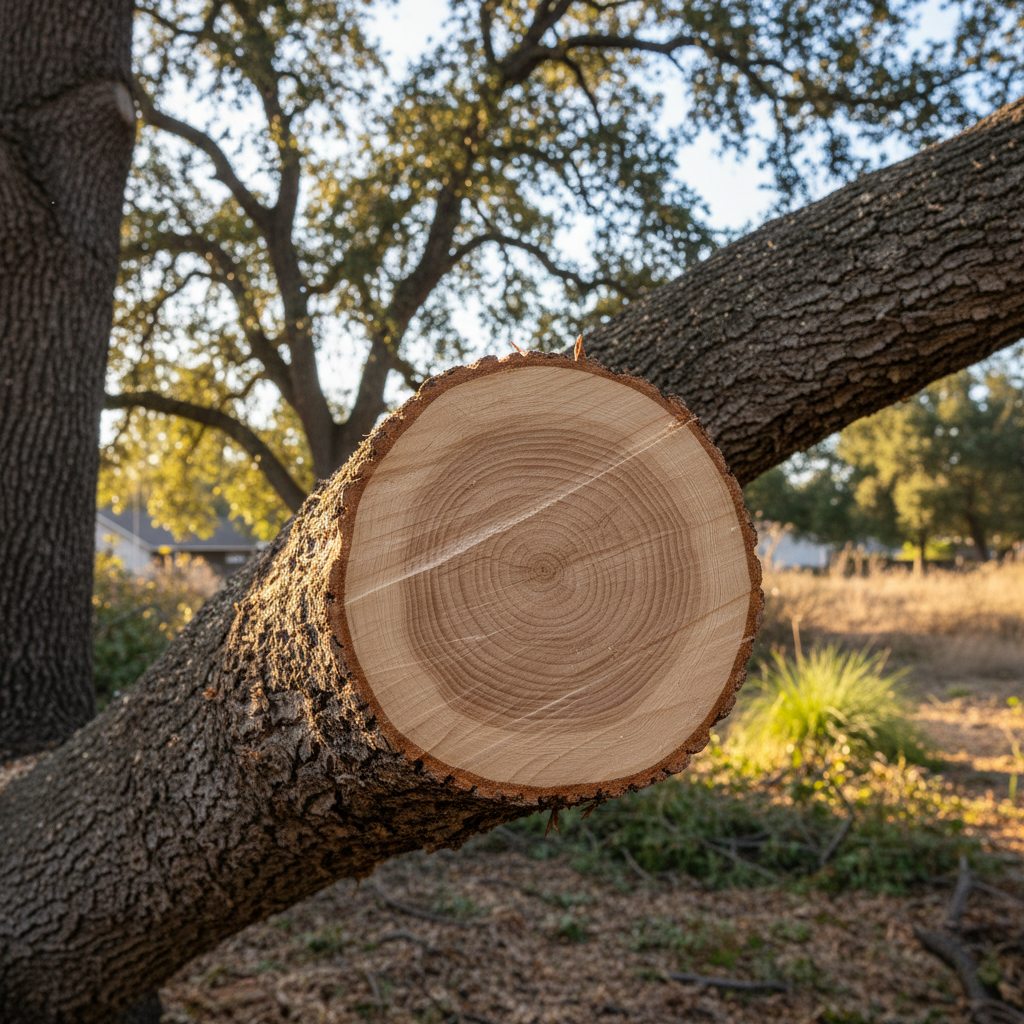
If you are clearing out low branches yourself, make sure your tools are sharp and sanitized. Dull blades crush plant tissue instead of making clean cuts, which invites pests and disease. Always make cuts just outside the branch collar—never leave long stubs, and never flush-cut directly against the trunk. Trees need that natural collar zone to seal over the wound properly.
When you hire a crew to handle the bigger jobs, a good team will set up drop zones, use proper rigging lines to lower heavy wood safely, and protect your turf and hardscape. They will thin out the interior canopy to let the wind pass through rather than topping the tree, which ruins its structure and sparks erratic, weak regrowth.
After the Cut: Cleanup and Recovery
Once the trimming is done, the work is not quite finished. Clear away all the green waste so it does not attract pests against your foundation. Give the tree a deep, thorough watering cycle to help it recover from the shock, especially given our dry Camarillo climate. Skip heavy synthetic fertilizers right away; let the tree adjust to its new canopy weight naturally. Keeping an eye on your trees throughout the year ensures they stay healthy, balanced, and ready to weather whatever Mother Nature throws our way.